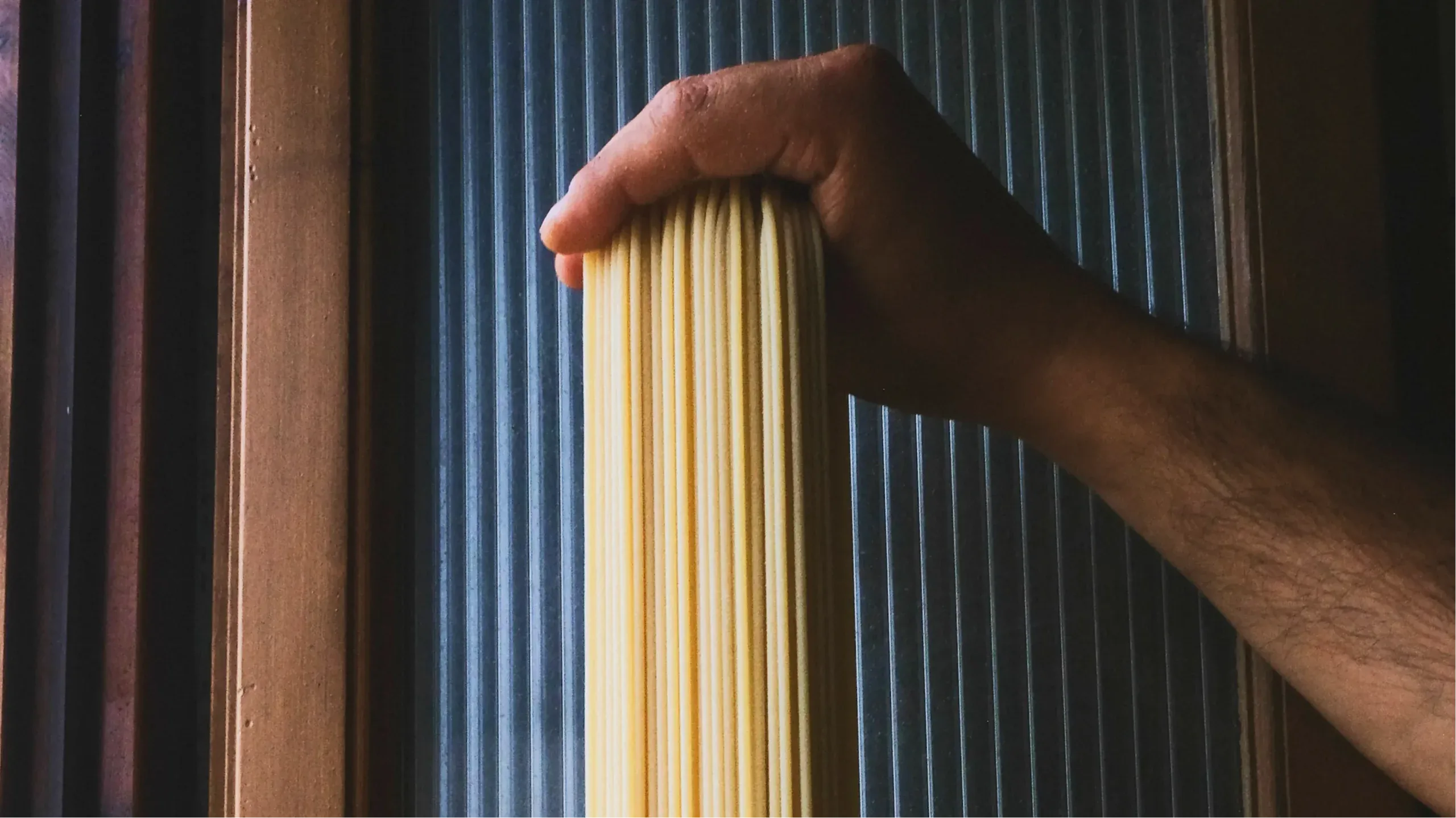
Pasta Tirrena · Frescobaldi
From Tuscan fields to the pasta maker.
Tuscany, beginning with the grain
Tirrena asks us to look at pasta as an agricultural product before considering its shape. The grain comes from the Frescobaldi estates in Tuscany, across a landscape extending from Val di Pesa towards the province of Livorno. The producer describes clay-rich soils that hold rainwater and a climate influenced by the Tyrrhenian Sea. The name on the pack connects the pasta to these fields, not simply to a recipe.
Three grains, a shared identity
The blend brings together Senatore Cappelli, Khorasan and Evoldur. Tirrena uses semi-whole durum semolina, retaining more of the grain than a more refined semolina. This choice is central to the pasta’s identity. It remains wheat pasta and contains gluten; heritage-grain language should never obscure that fact for someone choosing what to eat.
A chain of Tuscan craftspeople
The grain is milled by Molino Borgioli in Calenzano. Pasta making is entrusted to Pastificio Artigiano Fabbri in Strada in Chianti, a business founded in 1893. Naming those partners makes the production story more tangible: the grower, miller and pasta maker each have a role, and each is located within Tuscany. Tirrena is a collaboration of those skills.
Time is part of the method
The pasta passes through bronze dies and dries slowly in static chambers below 38°C. The time varies by shape. Spaghetti No. 3 dries for 108 hours; the thicker No. 5 takes 144 hours; linguine takes 120 hours. These are specific production details from the producer’s material, not a general promise that longer is always better. They describe how this particular pasta is made.
Three shapes in our collection
Our selection keeps the choices focused. Spaghetti No. 3 has a slender 1.8 mm profile; No. 5 offers a more substantial 2.4 mm strand. Linguine brings a flattened ribbon to the table. All three come in 500 g packs. For a first tasting, we suggest a restrained sauce so you can explore the differences in shape and bite. Follow the pack’s cooking guidance, then taste as the pasta approaches readiness; your preferred texture is the final guide.
Sources behind this story
Written by Ronakem Reserve using producer materials and the supplied documentation. Producer history and practices are distinct from batch-specific verification.
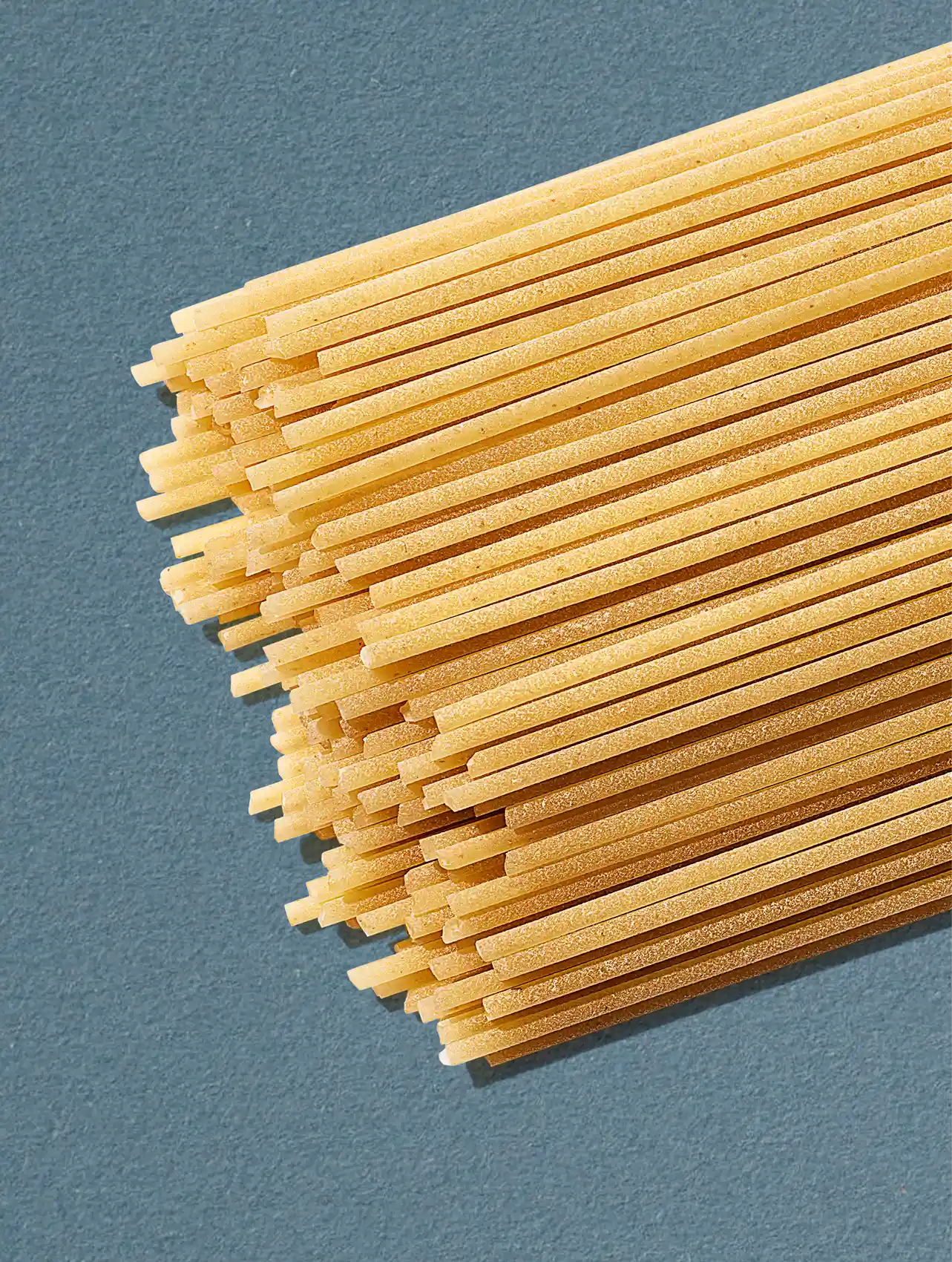
Tirrena Spaghetti No. 3
The finer of our two Tirrena spaghetti shapes: 1.8 mm strands, patiently dried for 108 hours. A Tuscan staple with a slender profile.
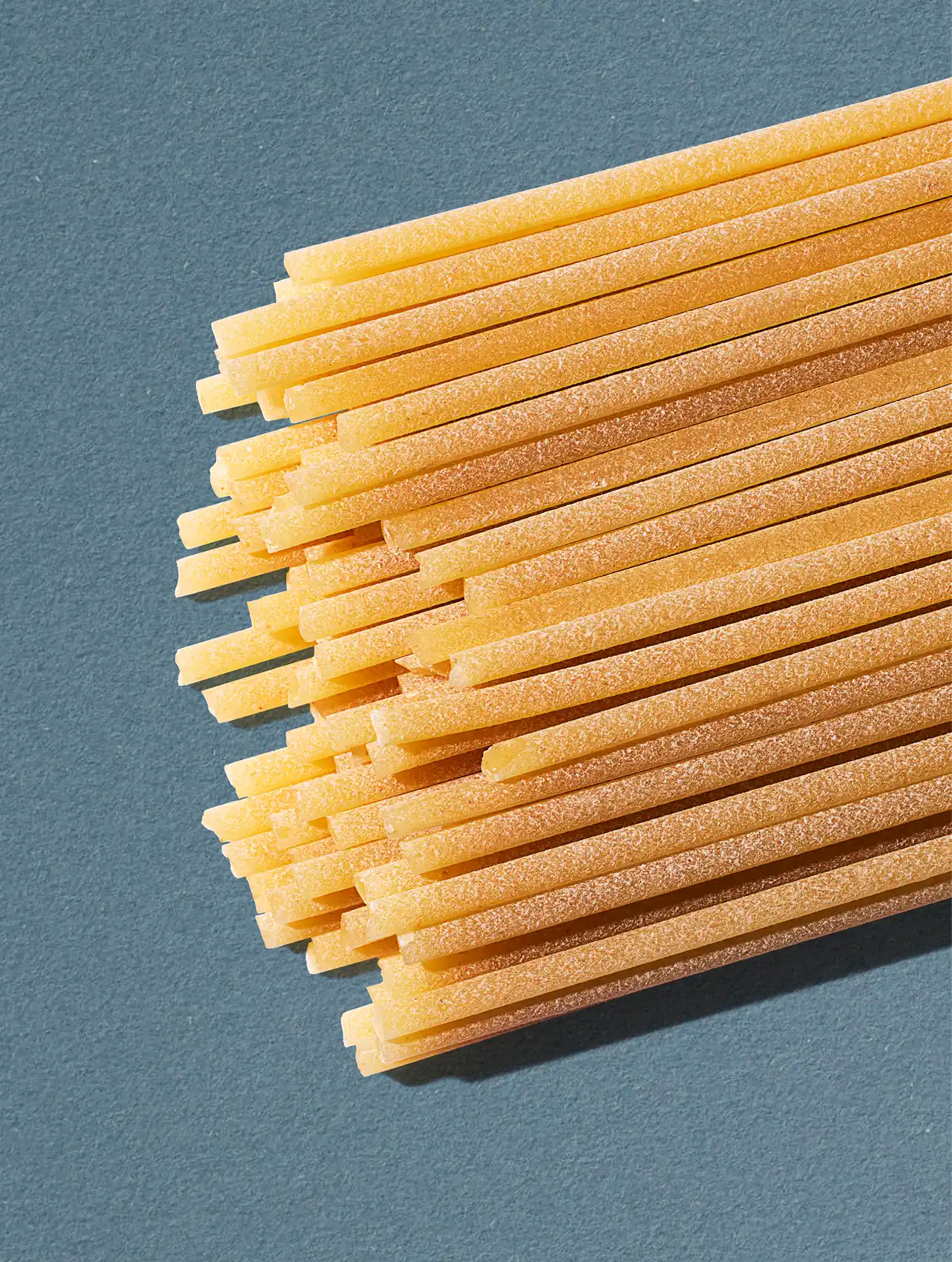
Tirrena Spaghetti No. 5
A thicker spaghetti with 2.4 mm strands and a six-day drying time. A more substantial shape from Tirrena’s Tuscan collection.
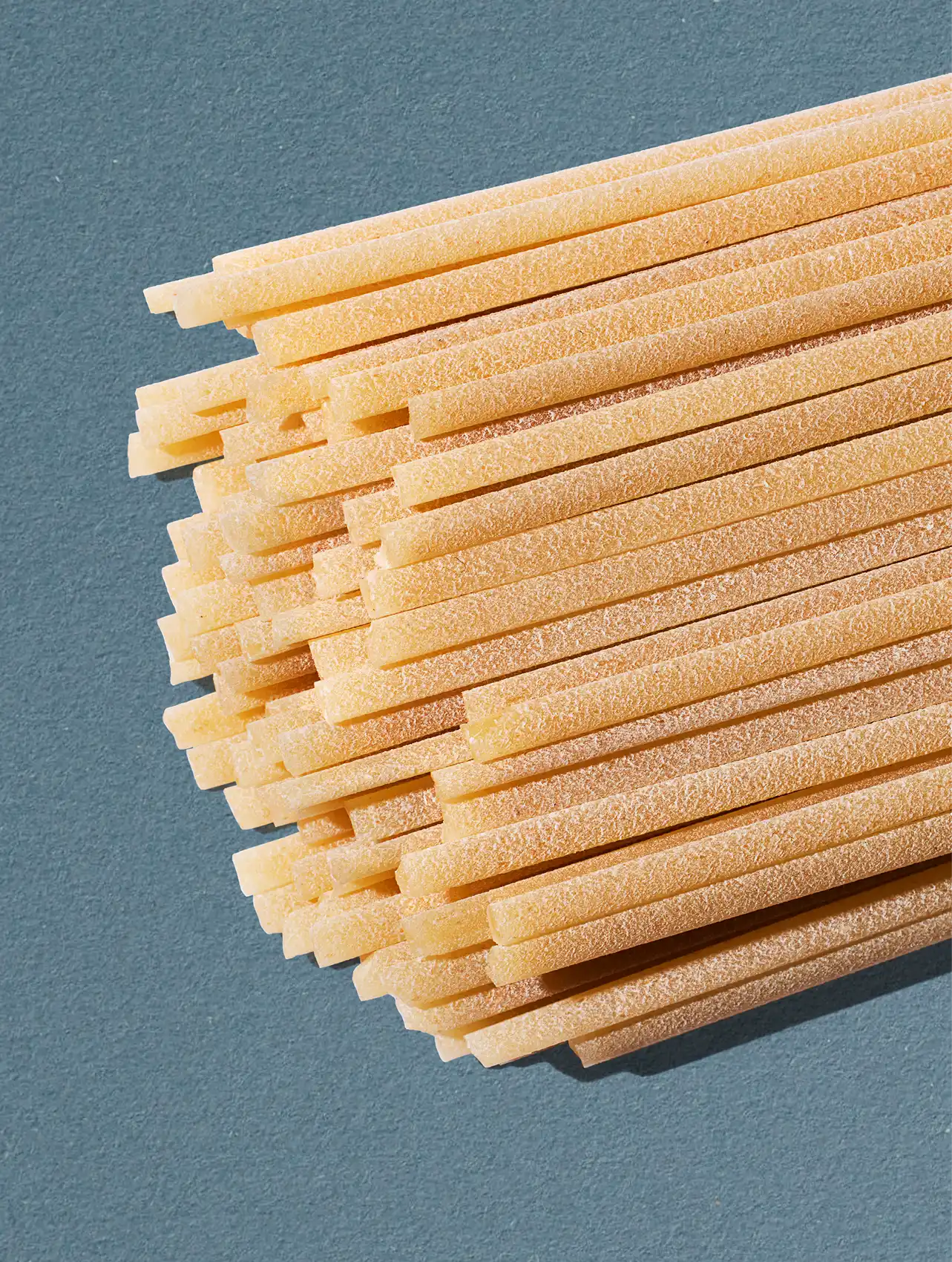
Tirrena Linguine
Long, flattened ribbons from Tirrena’s Tuscan grain collection. A five-day drying process gives this familiar shape its patient finish.