A Canadian reserve. A world worth tasting.
RONAKEMR E S E R V E
RONAKEM RESERVE / THE HARVEST JOURNALRONAKEM / 04
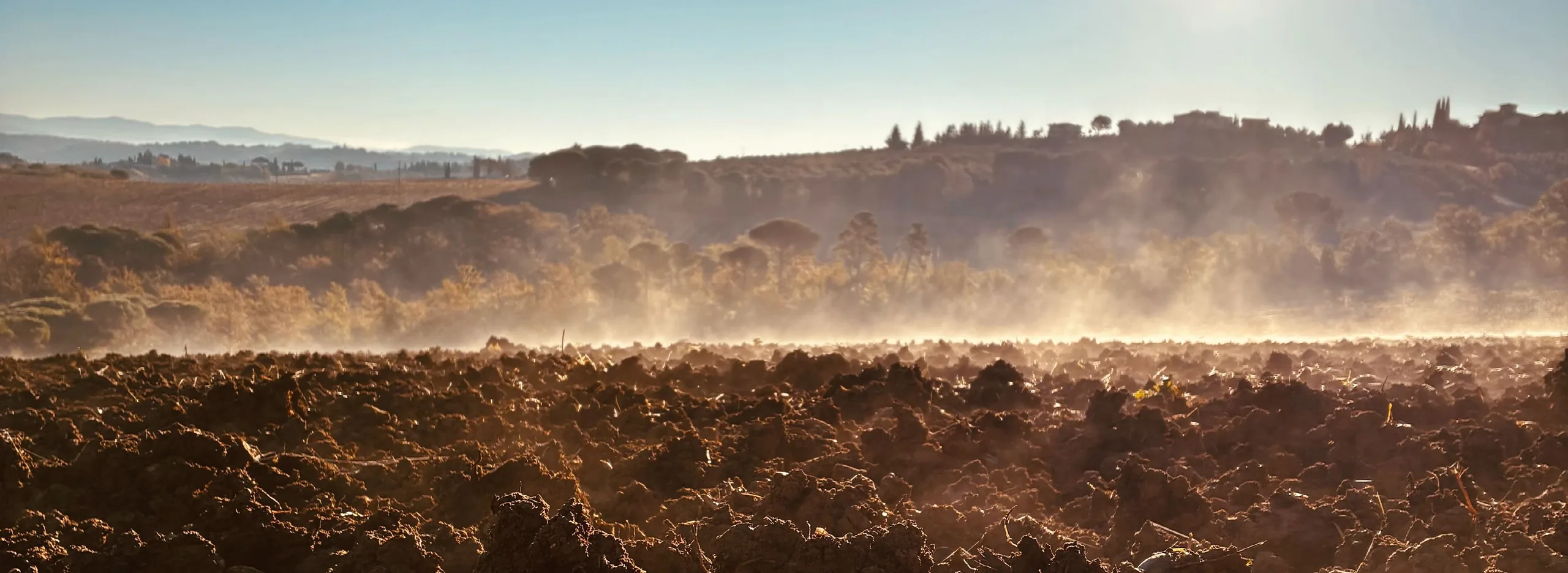
The Tuscan fields · Tirrena producer brochure

Good things begin somewhere.

People, places and patient work. Follow the provisions back to the field, the grove and the hands behind them.

Open the JournalCONTINUE EXPLORING
THE READING INDEX

Follow your
curiosity.

Find a producer, a place or a story.

FIELD NOTES / THE CURRENT COLLECTION

From grain.
From grove.

Three producer profiles, grounded in their published materials. A place to begin exploring the collection.

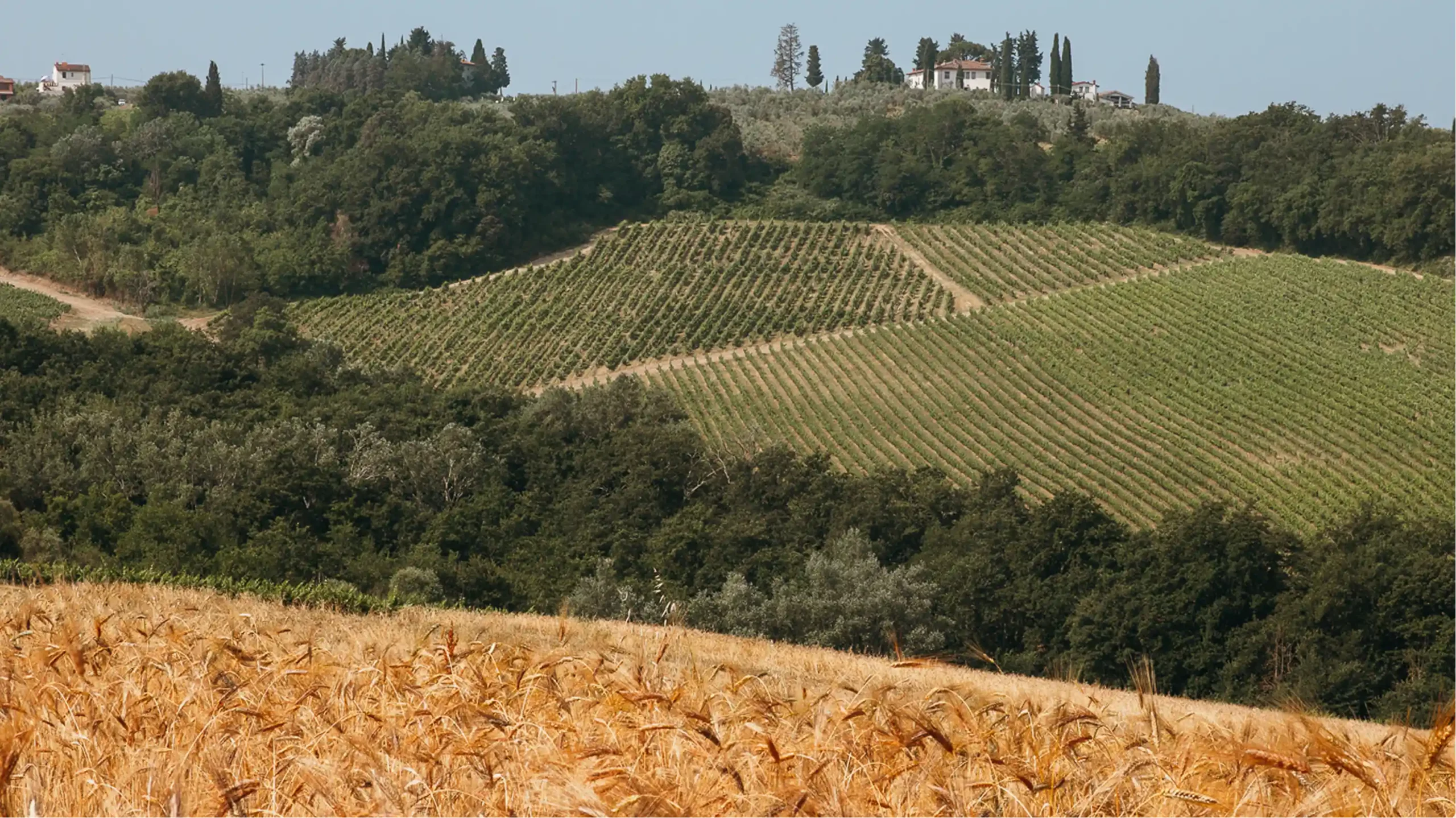
Tuscan fields · Pasta Tirrena
FIELD NOTE 01 / Tuscany · Italy

From Tuscan fields to the pasta maker.

Pasta Tirrena · Frescobaldi

Tirrena asks us to look at pasta as an agricultural product before considering its shape. The grain comes from the Frescobaldi estates in Tuscany, across a landscape extending from Val di Pesa towards the province of Livorno. The producer describes clay-rich soils that hold rainwater and a climate influenced by the Tyrrhenian Sea. The name on the pack connects the pasta to these fields, not simply to a recipe.

The blend brings together Senatore Cappelli, Khorasan and Evoldur. Tirrena uses semi-whole durum semolina, retaining more of the grain than a more refined semolina. This choice is central to the pasta’s identity. It remains wheat pasta and contains gluten; heritage-grain language should never obscure that fact for someone choosing what to eat.
Continue the producer story
Sources behind this field note
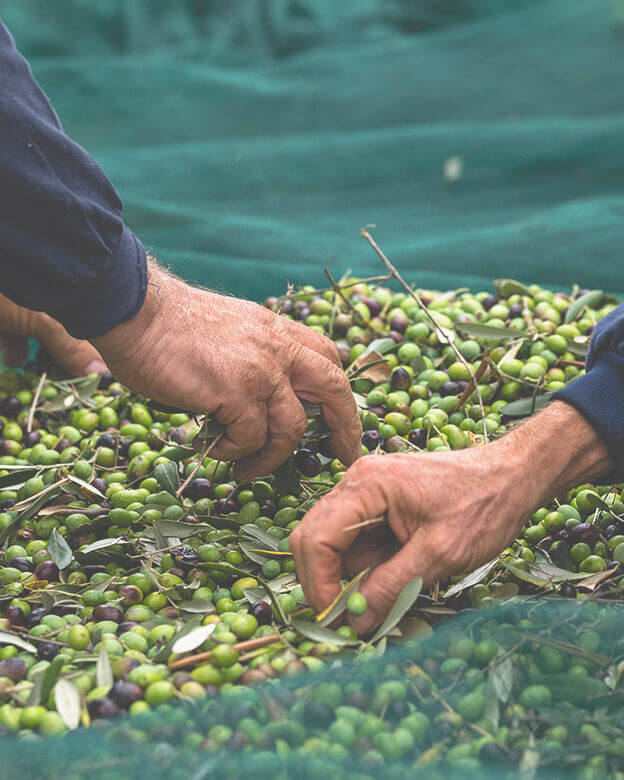
Sorting freshly harvested olives · Laudemio Frescobaldi
FIELD NOTE 02 / Tuscany · Italy

Tuscan roots. A carefully chosen harvest.

Laudemio Frescobaldi

The Frescobaldi family traces its Tuscan history back more than a thousand years. Its story includes medieval Florence, banking and Renaissance patronage, alongside the agricultural estates that carry the name today. For Laudemio, this history provides context rather than the whole argument for quality. The more immediate story takes place in the groves, at harvest and inside the mill.

The devastating Tuscan frost of 1985 forms a turning point in the producer’s account. Laudemio Frescobaldi’s first harvest followed in 1989. Its name recalls the prized share of a medieval harvest reserved for the landowner’s table. In our collection, that idea becomes a useful question: what distinguishes the portion selected for this bottle? The answer lies in a sequence of choices, rather than the name alone.

Continue the producer story
Sources behind this field note
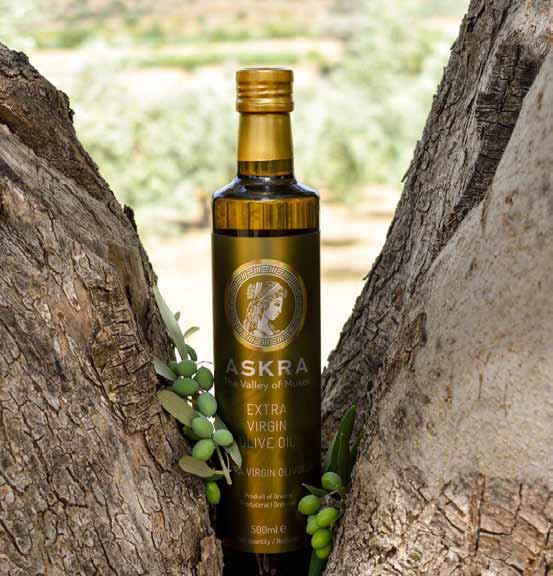
Askra olive oil pictured in the producer’s company profile
FIELD NOTE 03 / Askra, Boeotia · Greece

An olive-growing family in the Valley of the Muses.

Askra · Lymperis Estate

Before Askra is a name on a bottle, it is a place: a village in Boeotia, near Mount Helicon, associated with the ancient poet Hesiod. The Valley of the Muses gives the brand its geographical and cultural starting point. For our collection, that connection matters. An olive oil should lead somewhere specific when you follow its story back from the table.

Behind Askra is Lymperis Estate, whose family describes four generations of work with olive oil. Its contemporary operation brings milling, storage and bottling together. This is the practical side of the family story: responsibility continues beyond growing the fruit, through the steps that turn a harvest into the finished bottle.

Continue the producer story
Sources behind this field note